Quick take:
-
Correct sizing, SEER2 efficiency ratings, and ductwork condition determine how well a new air conditioner performs.
-
Installation quality affects comfort, utility costs, and equipment lifespan as much as the unit itself.
-
Homeowners in Laurel, MT should weigh climate, home insulation, and local permitting before scheduling a replacement.
Choosing a new cooling system involves more than picking a brand name off a shelf. The right outcome depends on matching equipment capacity to the home, confirming efficiency ratings, and verifying that the ductwork and electrical setup can support the new unit.
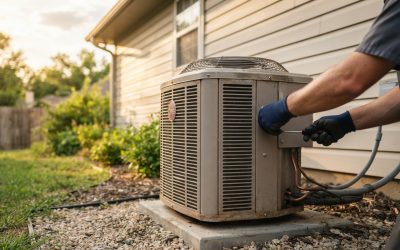
Planning ahead for AC Installation helps homeowners avoid common pitfalls such as oversized units that cycle too frequently or undersized systems that run constantly without reaching a comfortable temperature. Professional Cooling System Installation ensures the equipment is properly sized and configured to meet the home’s cooling needs. Getting these details right before a technician arrives can shorten the overall project timeline and reduce the chance of costly adjustments later.
Sizing and Load Calculations
An air conditioner that is too large for a home will cool the space quickly but shut off before removing enough humidity, leaving rooms feeling damp. A unit that is too small will run nonstop and still struggle to keep up during peak summer heat.
Professional sizing typically accounts for:
-
Square footage and ceiling height of conditioned space
-
Window placement, orientation, and insulation quality
-
Local climate data and historical temperature patterns
-
Number of occupants and heat-generating appliances
According to room air conditioner sizing is about matching the room size to the air conditioner size, since a unit that is too big will be less effective and offer reduced efficiency. The same principle applies to central systems, where an accurate load calculation prevents short-cycling and uneven cooling throughout the home.
Efficiency Ratings and Equipment Standards
Modern air conditioners are rated using SEER2, a federal metric that replaced the older SEER standard. An ENERGY STAR HVAC rating is the EPA’s voluntary certification for heating and cooling equipment that meets efficiency levels set above the federal minimum, such as 15.2 SEER2 for central air conditioners and heat pumps.
For comparison, the ENERGY STAR bar for central air conditioners and heat pumps sits at 15.2 SEER2, compared with a federal floor of 13.4 to 14.3. Homeowners weighing equipment options can reference the ENERGY STAR central air conditioner program for current certification criteria before selecting a model.
It is worth remembering that the label rates the equipment, not the install, since ducts and sizing still decide real results. A high-efficiency unit paired with leaky ductwork or incorrect sizing will not deliver the savings printed on the label.
|
Rating Type |
What It Measures |
2025 Baseline |
|---|---|---|
|
SEER2 |
Seasonal cooling efficiency |
13.4 to 14.3 minimum (regional) |
|
EER2 |
Peak-condition efficiency |
12.0 for ENERGY STAR split AC |
|
ENERGY STAR Certified |
Above-minimum performance |
15.2 SEER2, 12.0 EER2 |
Ductwork, Electrical, and Site Conditions
Even a properly sized, high-efficiency unit underperforms when paired with aging ductwork or insufficient electrical capacity. Leaky or undersized ducts force the system to work harder, driving up energy use and shortening equipment life.
Before installation, a few site-specific items typically need review:
- Duct sealing and insulation condition in attics or crawl spaces
- Electrical panel capacity for the new unit’s voltage and amperage requirements
- Placement of the outdoor condenser for adequate airflow and drainage
- Thermostat compatibility with the new system
Homes in Laurel, MT often have existing ductwork sized for an older furnace-only setup, so a qualified assessment helps confirm whether modifications are needed before the new equipment is connected.
Climate and Seasonal Demand
Montana’s temperature swings mean cooling equipment needs to handle short, intense heat waves rather than prolonged tropical humidity. This affects both sizing calculations and the type of equipment that performs best in the region.
A system that is well-matched to regional climate patterns typically delivers steadier comfort with fewer repair calls during peak summer months. Reviewing recent utility bills and occupancy patterns alongside a technician’s assessment gives a clearer picture of actual cooling demand before committing to a specific unit.
Frequently Asked Questions
How long does a typical air conditioner installation take? Most residential installations are completed within a single day, though homes requiring ductwork modifications or electrical upgrades may need additional time.
Does a bigger air conditioner cool a home faster and better? No. An oversized unit cools quickly but shuts off before removing humidity, which can leave rooms feeling clammy rather than comfortable.
What efficiency rating should a new system meet? Many homeowners look for equipment that meets or exceeds ENERGY STAR’s 15.2 SEER2 threshold, though the right rating depends on budget and household cooling needs.
Is ductwork inspection necessary before installing a new unit? Yes. Leaky or undersized ducts reduce system performance regardless of how efficient the new equipment is rated.
Business Info
Empire Heating & Cooling is a heating and cooling contractor serving Laurel, MT and nearby Montana communities with air conditioner service, furnace service, and related HVAC work.